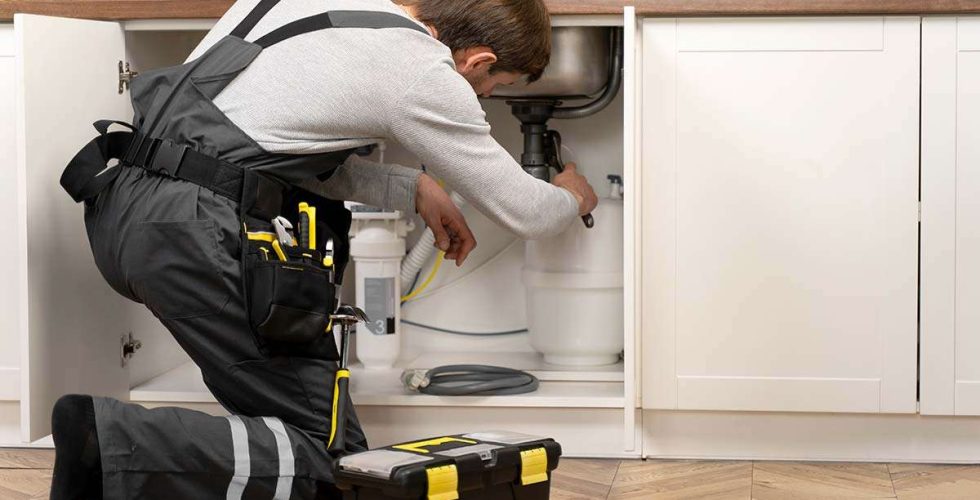
Sewer installation involves the process of laying down underground pipes and structures to manage wastewater and sewage from residential, commercial, and industrial areas. Here’s a breakdown of the key aspects:
Planning and Design: Before installation begins, a thorough plan and design are essential. This includes determining the layout of the sewer system, calculating the required pipe sizes, identifying the optimal routes for the pipes, and considering factors like slope, depth, and proximity to existing structures.
Permits and Approvals: Depending on the location and scale of the project, various permits and approvals may be necessary from local authorities or environmental agencies. These ensure that the installation meets regulatory standards and does not pose any environmental risks.
Excavation: The installation process typically starts with excavation to create trenches for laying the sewer pipes. Excavation equipment like backhoes or trenchers is used to dig the trenches to the required depth and width according to the design specifications.
Pipe Installation: Once the trenches are prepared, the sewer pipes are laid down in the trenches according to the planned layout. These pipes are typically made of materials like PVC, vitrified clay, concrete, or HDPE (high-density polyethylene), chosen based on factors like durability, cost, and local regulations.
Jointing and Connection: Proper jointing of pipes is crucial to ensure leak-proof connections and structural integrity. Various methods like solvent welding, gasketed joints, or heat fusion are used depending on the pipe material.
Manholes and Access Points: Manholes and access points are installed at strategic locations along the sewer line to provide entry for maintenance, inspection, and cleaning activities. These structures also facilitate changes in direction and elevation of the sewer pipes.
Backfilling and Compaction: Once the pipes are laid and inspected, the trenches are backfilled with suitable material like gravel or sand. Proper compaction of backfill material is essential to prevent settling or damage to the pipes over time.
Testing and Inspection: After installation, the sewer system undergoes testing and inspection to ensure that it meets quality standards and regulatory requirements. This may involve pressure testing, leak detection, and CCTV inspection of the pipes.
Connection to Main Sewer Network: Finally, the newly installed sewer lines are connected to the main sewer network, allowing the flow of wastewater and sewage to treatment plants or disposal facilities.
Maintenance and Monitoring: Regular maintenance and monitoring are essential to keep the sewer system in optimal condition and prevent issues like blockages, leaks, or structural failures. This includes activities like cleaning, flushing, and routine inspections.
Throughout the installation process, safety protocols and environmental considerations are paramount to minimize risks to workers, nearby residents, and the surrounding ecosystem. Collaboration with engineers, contractors, and regulatory agencies is essential to ensure the successful completion of sewer installation projects.
Improved Public Health: Sewer systems prevent the spread of waterborne diseases by safely managing wastewater, contributing to healthier communities.
Environmental Protection: Proper sewage management prevents contamination of water sources, preserving aquatic ecosystems and reducing water pollution.
Enhanced Quality of Life: Access to reliable sewer infrastructure provides a cleaner and more hygienic living environment, improving residents’ quality of life.
Economic Development: Efficient sewer systems support economic growth by attracting businesses and investors, providing essential sanitation infrastructure.
Property Value: Properties with access to well-maintained sewer systems often have higher resale values, making them more attractive to potential buyers.
Reduced Maintenance Costs: Centralized sewer systems generally require less maintenance compared to individual septic systems, resulting in lower long-term costs.
Efficient Resource Utilization: Sewer systems allow for the collection and treatment of wastewater, promoting the efficient use of water resources through recycling and reuse.
Compliance with Regulations: Sewer installation ensures compliance with environmental laws and regulations, helping municipalities and industries avoid legal liabilities associated with improper sewage disposal.
These benefits collectively contribute to the sustainability, health, and prosperity of communities where sewer systems are installed and properly maintained.
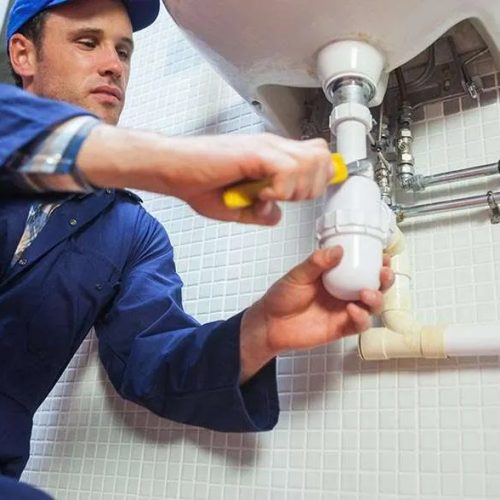
Ensure correct installation with quality materials, conduct regular maintenance, promptly repair any issues, educate on proper use, maintain proper flow, utilize monitoring systems, develop emergency plans, engage the community, and consider preventive measures.

With a focus on quality, reliability, and customer satisfaction, our experienced team delivers top-notch service for all your plumbing needs.